
The Ultimate Guide to Heating Your Pool with a Heat Pump
Swimming pools offer relaxation and fun, but without a proper heating solution, their usability often becomes seasonal. Enter heat pumps for pool heating – an energy-efficient, eco-friendly, and cost-effective way to enjoy your pool all year round. For residents of the Sunshine Coast, heat pumps are an especially excellent choice due to the region’s climate and environmental focus. In this article, we explore the benefits, functionality, and tips for choosing the right heat pump for your pool.
What Is a Swimming Pool Heat Pump?
A pool heat pump is a device that extracts heat from the air, compresses it to increase the temperature, and transfers it into your pool water. Unlike traditional gas or electric heaters, heat pumps don’t generate heat directly, making them highly efficient.
Why Heat Pumps Are Perfect for Pool Heating on the Sunshine Coast
The Sunshine Coast boasts a temperate climate with abundant sunshine and moderate temperatures, making it an ideal location for heat pump efficiency. Here’s why:
Mild Winters and Warm Air
Heat pumps work by extracting warmth from the air, and the Sunshine Coast's mild winters ensure that heat pumps can operate efficiently year-round, even during cooler months.
Energy Efficiency in a Sustainable Region
With a strong focus on sustainability and renewable energy in the Sunshine Coast community, heat pumps align perfectly with local eco-friendly values. They use less electricity and have a lower carbon footprint compared to traditional heating methods.
Cost-Effective Heating
Energy costs can be a concern for Sunshine Coast residents, but heat pumps are an economical solution. By leveraging the warm coastal air, they require minimal energy input, reducing utility bills.
Year-Round Swimming
Heat pumps maintain consistent pool temperatures, allowing Sunshine Coast homeowners to extend their swimming season or enjoy their pools throughout the year.
How Does a Pool Heat Pump Work?
Air Intake
The heat pump pulls in ambient air.
Heat Absorption
A refrigerant absorbs the heat and turns into gas.
Compression
The refrigerant gas is compressed, intensifying its heat.
Heat Exchange
The heat is transferred to the pool water via a heat exchanger
Circulation
The warm water is pumped back into your pool.
This cycle allows heat pumps to produce more energy than they consume, leading to lower operational costs.
Benefits of Using a Heat Pump for Pool Heating
While both heat pumps and solar hot water systems offer environmental benefits, heat pumps typically have a lower upfront cost, are easier to install, and can function efficiently in a range of weather conditions. Solar hot water systems can offer better long-term savings, especially in sunny regions, but they generally require more extensive setup and are totally dependent on the sun. When no sun is available they rely on an electric element.
Energy Efficiency
Heat pumps require up to 70% less electricity than traditional heaters. They use renewable ambient air, reducing your carbon footprint and lowering energy bills.
Cost-Effectiveness
While the upfront cost may be higher than other heating systems, their low operating costs make heat pumps a more economical choice over time.
Consistent Pool Temperatures
Heat pumps maintain a stable water temperature, ensuring your pool is always ready for a swim, regardless of the weather.
Durability
High-quality heat pumps are built to last, with many models offering warranties of up to 10 years.
Eco-Friendly
Heat pumps produce no harmful emissions, making them an environmentally friendly option for pool owners.
Tips for Choosing a Heat Pump for the Sunshine Coast
To make the most of your investment, consider these factors:
Pool Size
Ensure the heat pump you select has a KW (kilowatt) rating suitable for your pool’s size.
Energy Efficiency Ratings
Look for models with a high COP (Coefficient of Performance) rating to maximise energy efficiency in the Sunshine Coast’s mild climate.
Noise Levels
Opt for a quiet heat pump if your pool is near living spaces
Solar Integration
Take advantage of the Sunshine Coast’s abundant sunlight by integrating your heat pump with solar panels to further reduce energy costs
Professional Installation
Ensure your heat pump is installed by a local expert familiar with Sunshine Coast conditions for optimal performance.
For residents of the Sunshine Coast, heat pumps are a perfect solution for pool heating. They align with the region’s climate, environmental priorities, and lifestyle, providing a cost-effective and eco-friendly way to enjoy your pool year-round. By choosing a heat pump, you’ll not only enhance your swimming experience but also contribute to a more sustainable future.
Take the plunge into energy-efficient pool heating today and make the most of your Sunshine Coast lifestyle!
Need some advice on pool heating? Give Ben a call today on 0405 846 465
Heat Pump Frequently Asked Questions
Explore our comprehensive Heat Pump FAQ Guide to understand how they work, the benefits, and maintenance tips for efficient hot water heating and pool heating. Click here!
Are heat pumps suitable for all areas in Queensland?
Yes, heat pumps are ideal for Queensland's climate. However, areas with higher humidity or colder regions may need systems with defrost features or hybrid technology to maintain efficiency.
How long do heat pumps last?
With proper maintenance, a heat pump system can last 10-15 years. Quality units with regular servicing often achieve longer lifespans.
Do heat pumps require maintenance?
Minimal upkeep is required. Ensuring the outdoor unit remains unobstructed and scheduling periodic servicing will help maintain efficiency and longevity.
Can heat pumps work with solar panels?
Yes, heat pumps can be integrated with solar power, allowing homeowners to use solar-generated electricity, further reducing operational costs and enhancing environmental benefits
What are the upfront and operating costs of heat pumps?
The average cost for a high-quality heat pump ranges from $3,500 to $6,000. Although the initial investment is higher than traditional systems, lower running costs typically result in savings over time
Our Pool Heat Pump Hot Water System Range
-
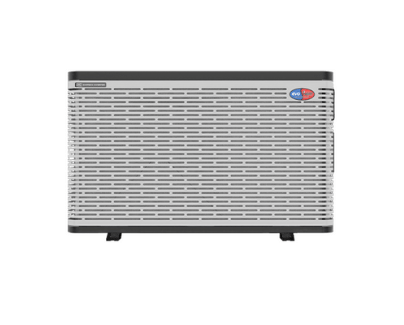 EvoHeat
Evo Edge-i Series
Select options This product has multiple variants. The options may be chosen on the product page -
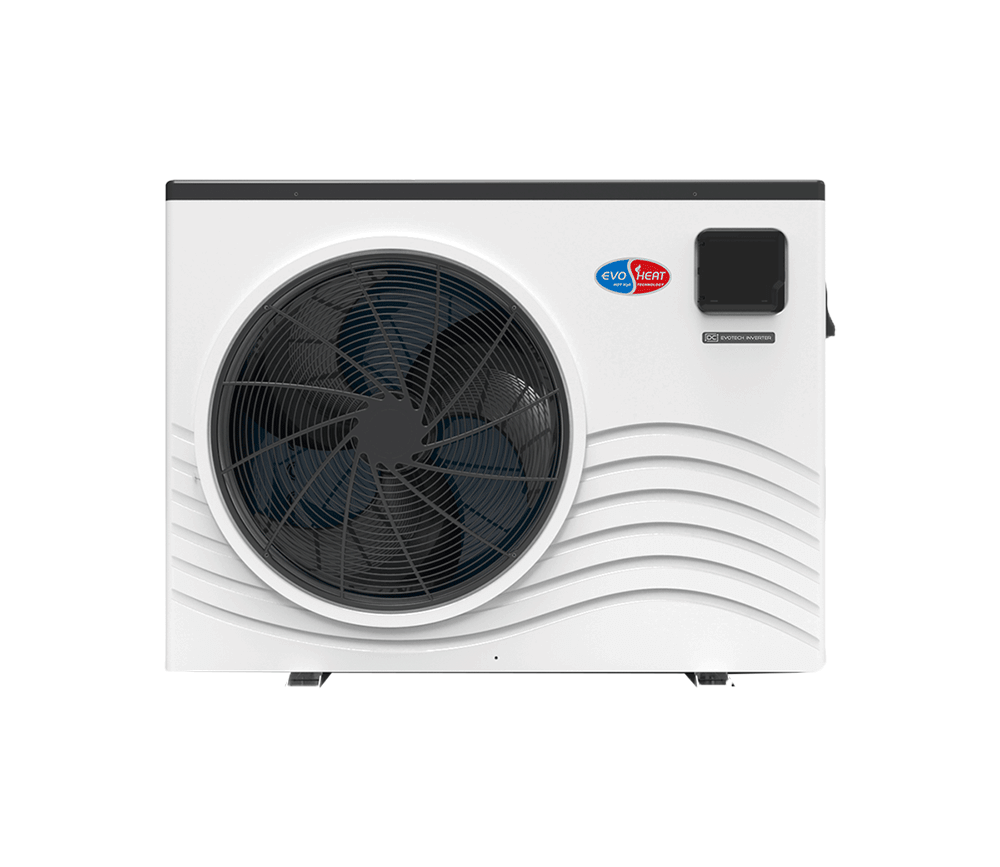 EvoHeat
Evo Fusion-i Series
Select options This product has multiple variants. The options may be chosen on the product page -
 Neptune
 X-Pro Full Inverter Side Discharge Heat Pump
Select options This product has multiple variants. The options may be chosen on the product page -
 Neptune
 X-Pro Full Inverter Top Discharge Heat Pump
Select options This product has multiple variants. The options may be chosen on the product page -
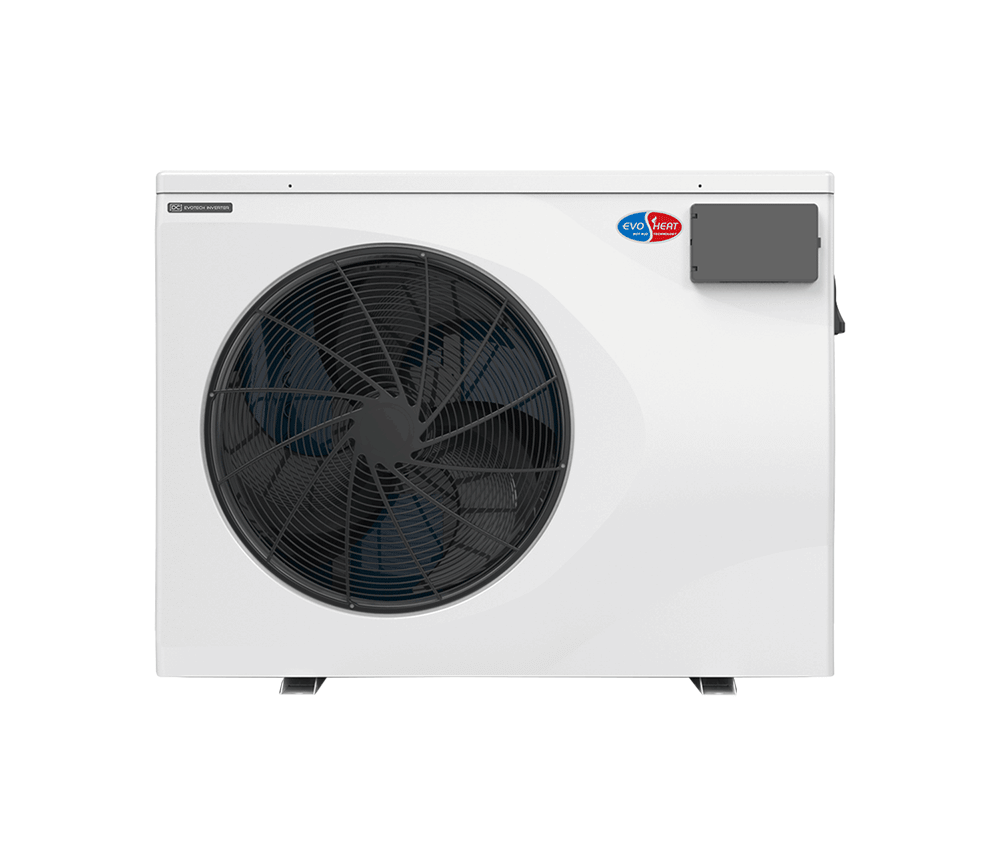 EvoHeat
Evo Force-i Series
Select options This product has multiple variants. The options may be chosen on the product page -
 EvoHeat
Evo DHP-R Series
Select options This product has multiple variants. The options may be chosen on the product page -
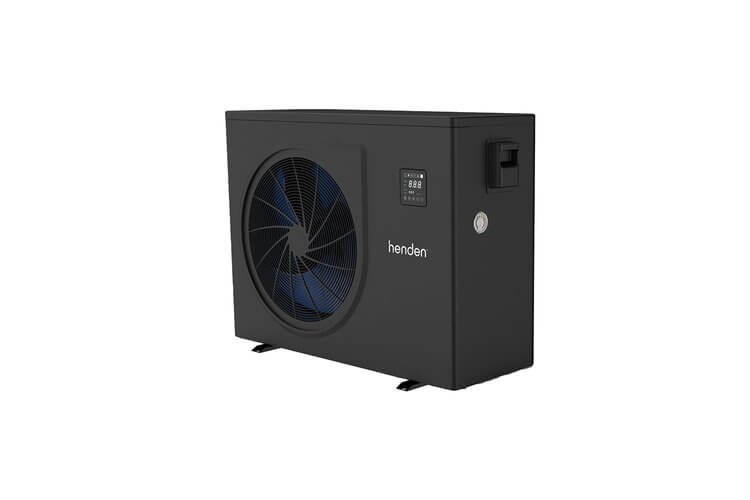 Henden
 Inverter Heat Pump Series
Select options This product has multiple variants. The options may be chosen on the product page -
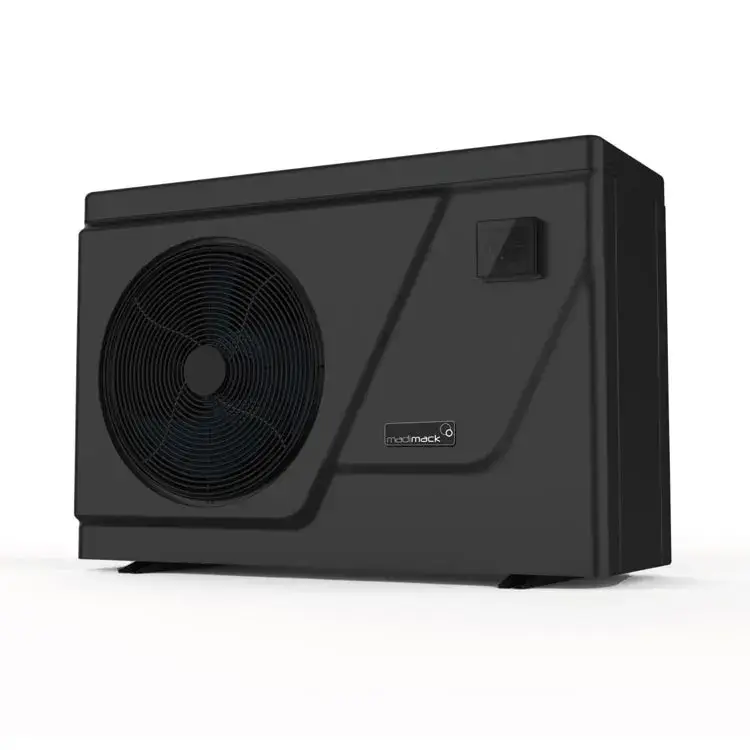 Madimack
 InverEco Pool Heat Pump
Select options This product has multiple variants. The options may be chosen on the product page
